The other Nana: how a Chinatown dead end became Bangkok's best bar street
Tell a taxi driver "Nana" and you'll end up on Sukhumvit, surrounded by neon of a very different kind. The Nana worth knowing is a short, scruffy lane on the edge of Chinatown — and over the last decade it has quietly become the most interesting place to drink in Bangkok.
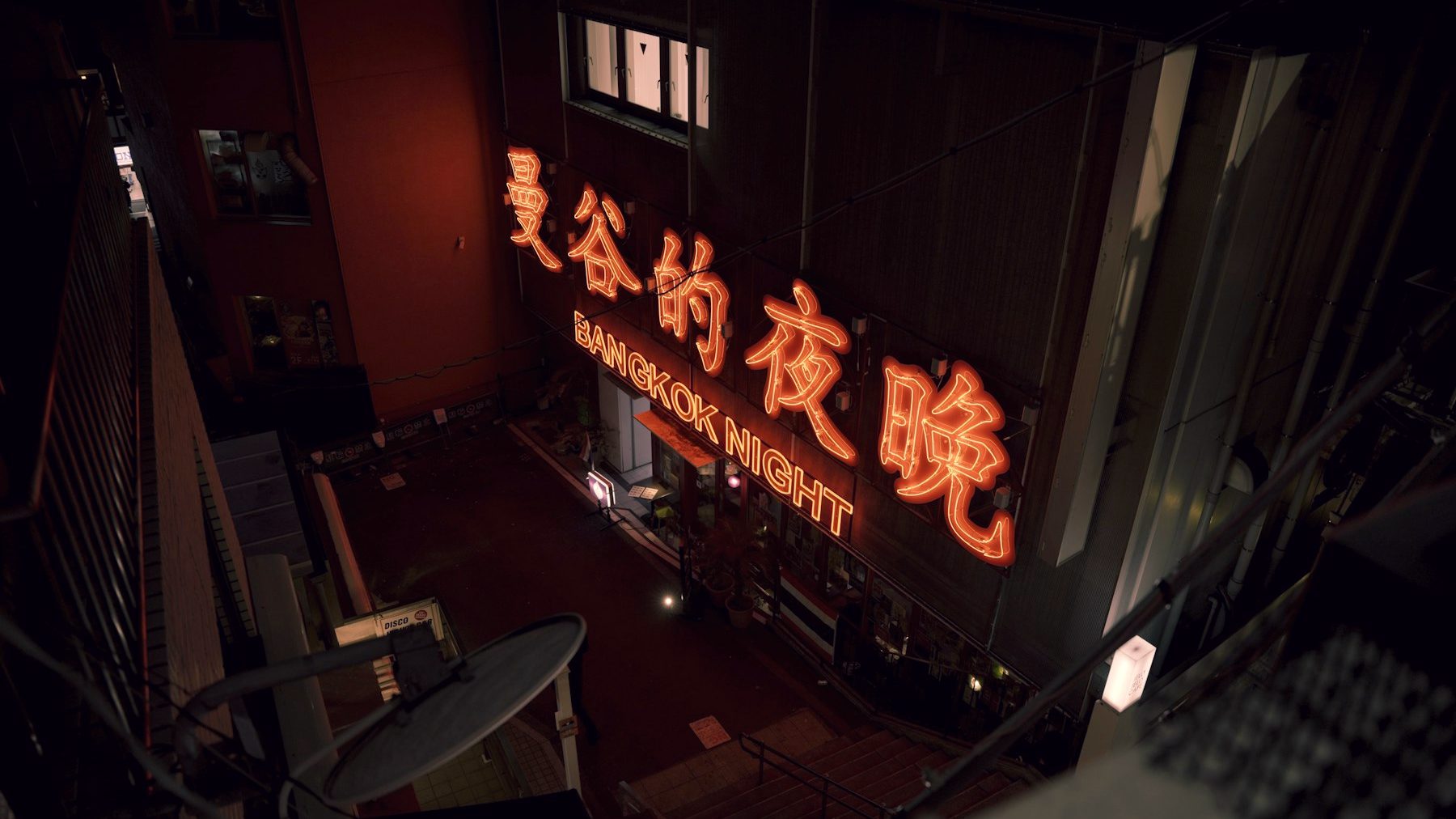
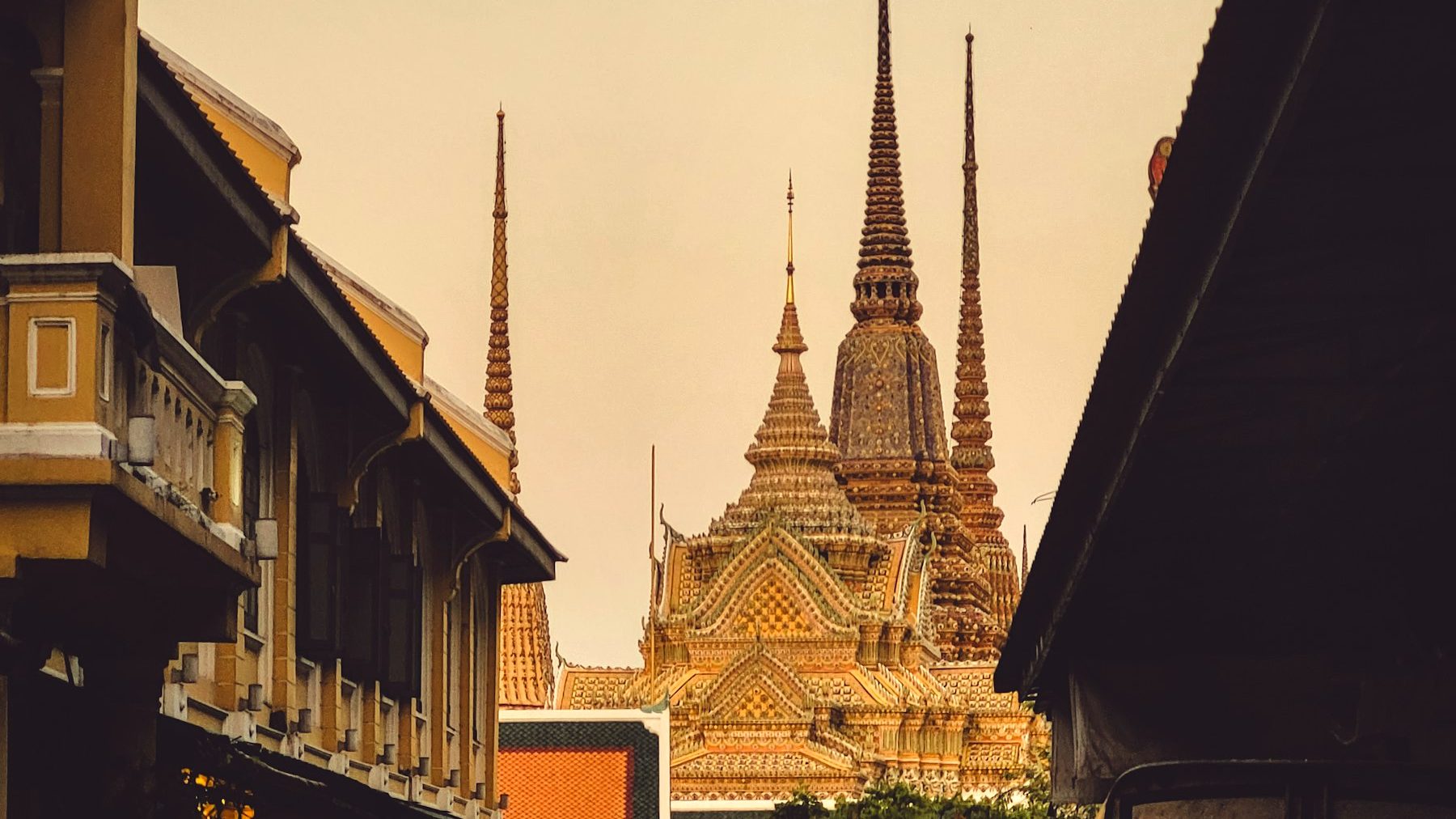
Neon and old shophouses: the Soi Nana mood after dark. · Photo: arthurhinton / Unsplash
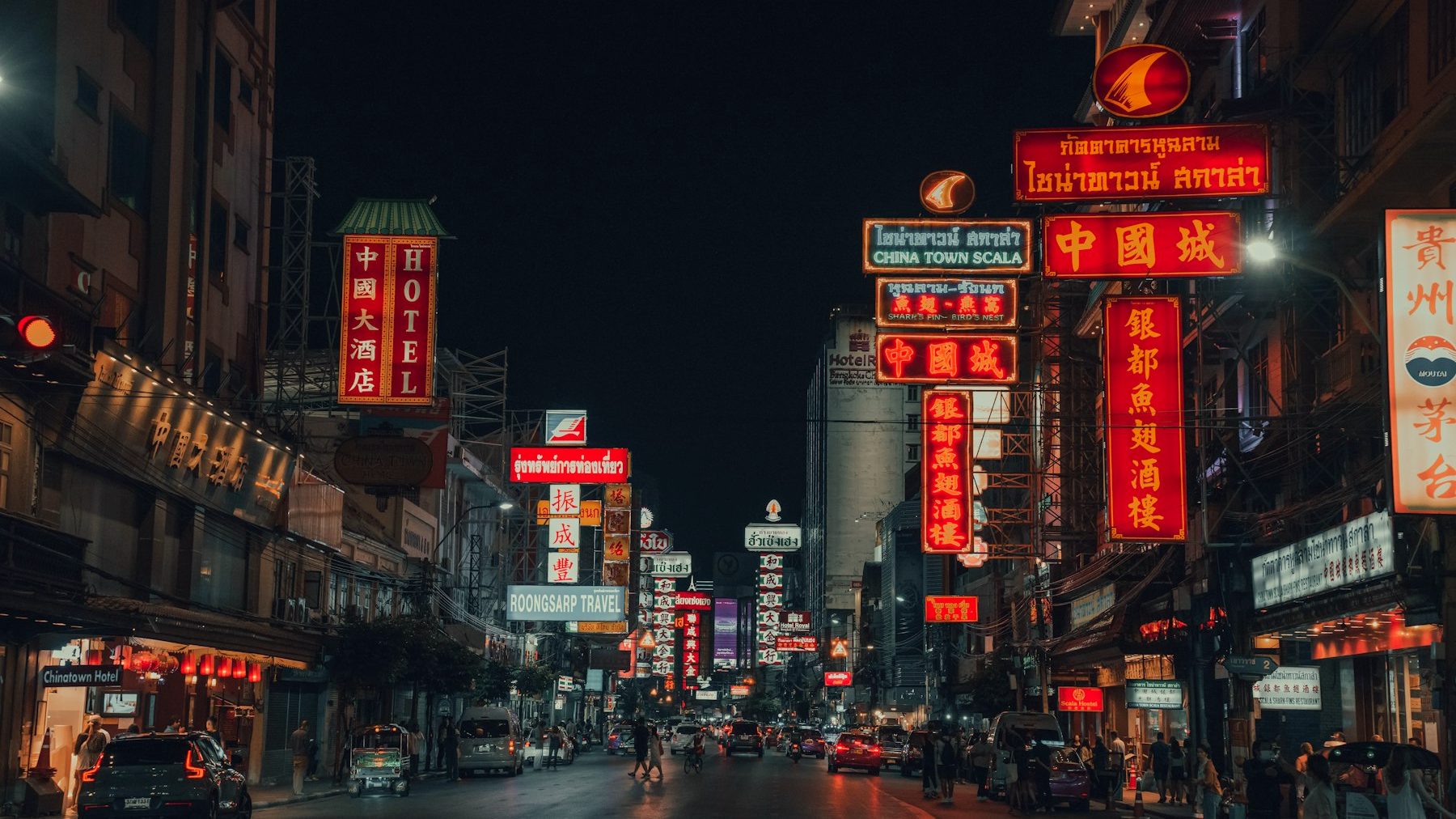
On first approach, nothing about Soi Nana suggests you are in the right place. The lane sits at the quiet eastern end of Chinatown, a few minutes from Hua Lamphong railway station, lined with shophouses that look like they were last painted when trains still ran on steam. Shutters down, paint peeling, a motorbike or two. Then you spot a queue of well-dressed Thais outside a pair of huge wooden doors plastered in stickers, and you understand: the street looks asleep because the good part happens behind the doors.
First, the confusion: Soi Nana vs. Nana Plaza
Bangkok has two Nanas, and mixing them up is a rite of passage. The famous one is on Sukhumvit Soi 4: Nana Plaza, the red-light district next to BTS Nana, all go-go bars and flashing signs. The one this story is about is Soi Nana in Chinatown, in the Pom Prap Sattru Phai district off Maitri Chit Road — a small lane of cocktail bars, galleries and cafés with no relation to its Sukhumvit namesake except the name. Why both carry it is a question even locals answer differently; the trail usually leads to landowning families of old Bangkok [prüfen]. If you're telling a driver where to go, say "Soi Nana, Yaowarat" or simply aim for Hua Lamphong MRT.
A street the city forgot
Chinatown is the oldest neighborhood in Bangkok — Chinese traders settled here in 1782, when King Rama I claimed their original riverside land for the Grand Palace and the community moved downriver to Sampheng. For two centuries the district ran on gold shops, godowns and wholesale trade. But by the 2000s, the blocks near the railway station had gone quiet. Businesses moved to the malls, children of shopkeepers moved to the suburbs, and streets like Soi Nana were left with rows of beautiful, crumbling, mostly empty shophouses.
Empty and beautiful is exactly what artists look for. Cheap rents pulled in galleries and studios first — and then, in one remarkable year, the bars arrived.
2015: a gin bar behind a sticker-covered door
In 2015, bartender Niks Anuman-Rajadhon took over a near-crumbling shophouse at 76 Soi Nana, kept the giant vintage doors, covered them in stickers and opened Teens of Thailand — Bangkok's first bar dedicated to gin. The same year, Tep Bar opened a few doors down at 69–71, doing the opposite and the same thing at once: instead of imported spirits, it built its menu on Thai liquor and ya dong herbal infusions, with traditional Thai music played live most nights.
Between them, the two bars did something no development plan had managed: they made young Bangkok come to Chinatown after dark. The buzz pulled in new openings year after year, and a street that had been left unattended for decades turned into one of the city's top bar districts — without ever losing the peeling paint.
The street looks asleep because the good part happens behind the doors.
The soi, bar by bar
Where it all started. Grungy, dim, serious about gin — expect infusions like Thai tea or chrysanthemum in your G&T. Find the sticker-covered wooden doors.
Thai spirits, ya dong sets and live traditional music in a restored shophouse. The cultural education of the street — come early, it fills up fast.
The name means "number eight" — the address. Chinese-style cocktails under red lights, old Hong Kong atmosphere, and a sesame pudding people cross town for.
Hidden down a tiny side alley, with a pink neon sign that reads "This bar is better than Teens of Thailand." Same owner. The honey-based cocktails are the move.
The dive of the street: cheap drinks, art on the walls, a crowd that stays late. Where bartenders from the other bars go after their shift.
A Spanish-leaning hideout with gallery nights, a craft beer taproom in a shophouse, and a florist-turned-bar on two creaky upper floors. Opening days vary — several spots close early in the week [prüfen].
What is ya dong, exactly?
Ya dong is Thailand's home-grown answer to the amaro shelf: white spirit infused with herbs, roots and bark, traditionally mixed by street vendors and sold by the shot as a tonic — for strength, for sleep, for things politely left unsaid. For decades it had a reputation as a workingman's drink. Bars like Tep took the tradition, cleaned up the sourcing and put it in proper glassware, which is the most Soi Nana thing imaginable: nothing on this street is new, it has just been looked at with fresh eyes.
How to do the soi right
Come hungry for atmosphere, not efficiency. Start early at Tep Bar while the music plays, move to Teens of Thailand when you want the serious drinks, duck into Asia Today for the joke and the honey, and if you're still standing, finish where the bartenders do — at 23. Three bars is a good night; the lane is short, but nobody has ever regretted walking it slowly.
And if you'd rather arrive with someone who knows which door is which: our Chinatown evening ends exactly here.
FAQ
No. Nana Plaza is a red-light district on Sukhumvit Soi 4, next to BTS Nana. Soi Nana in Chinatown is a small lane of cocktail bars, galleries and cafés near Hua Lamphong — they only share the name.